Suing or Sueing: Which Spelling Is Correct?
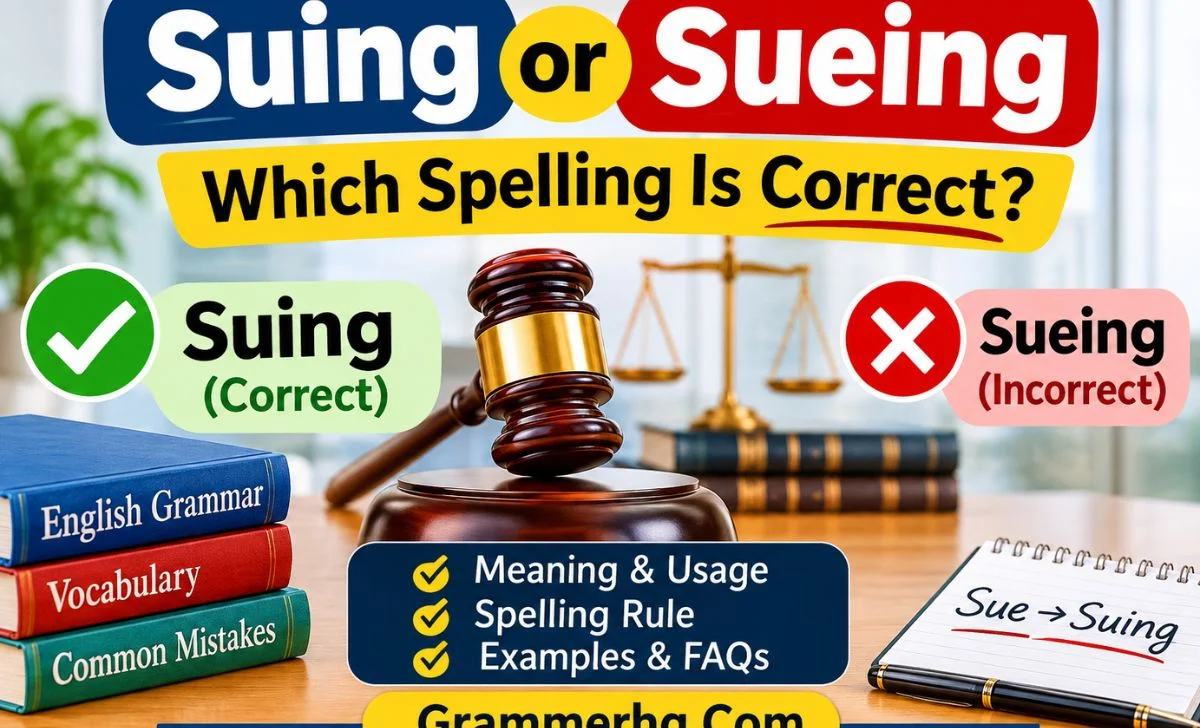
Suing is the correct spelling, while sueing is incorrect. When adding -ing to the verb sue, you must remove the ...
Read more
In Process vs. In Progress: What’s the Difference?

“In process” and “in progress” are not always interchangeable. In progress means that something is currently happening, continuing, or underway, ...
Read more
Paid vs. Payed: Meaning, Difference, and Correct Usage
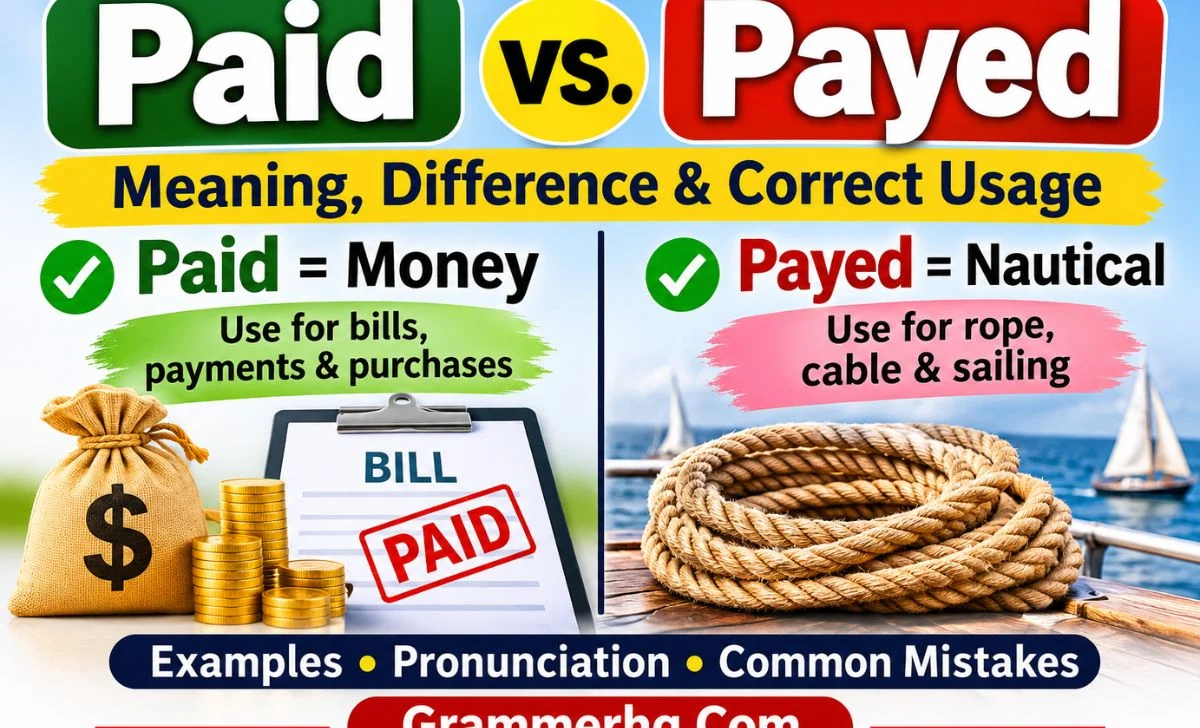
Paid vs. payed can be confusing because both spellings exist in English. However, they do not have the same meaning ...
Read more
Journies or Journeys: Which Is Correct?
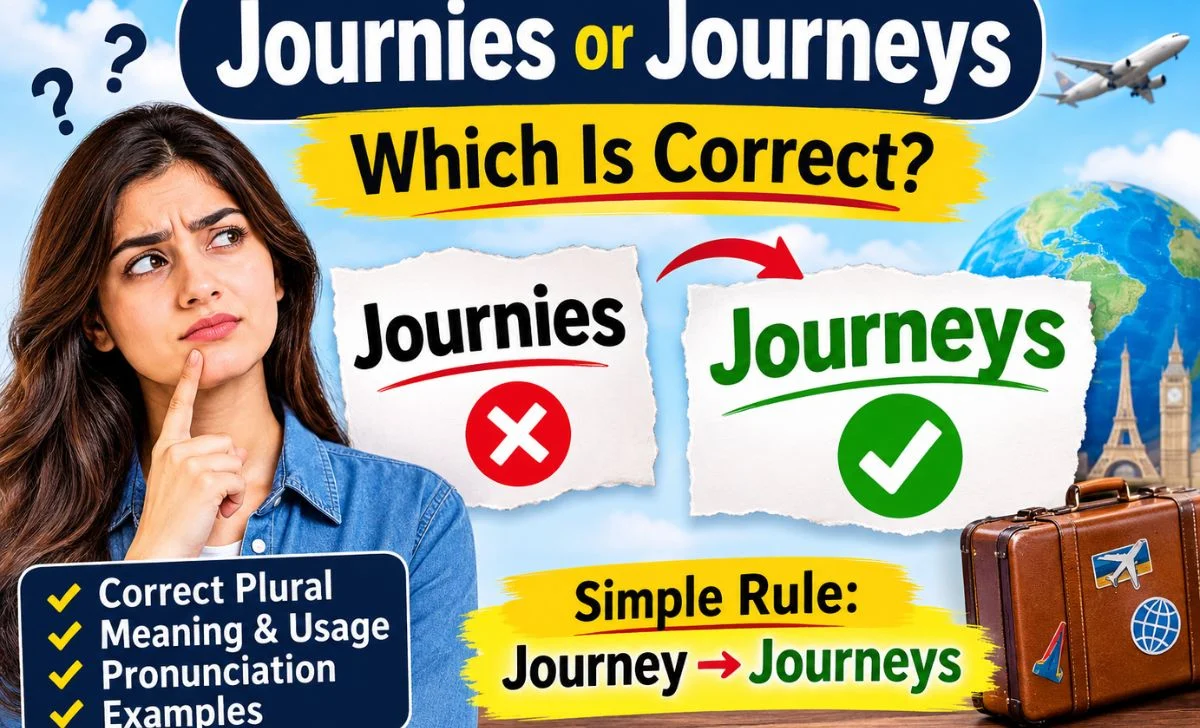
Journeys is the correct spelling. Journies is incorrect in standard English. The plural of journey is formed by adding -s, ...
Read more
Fiesty or Feisty: Correct Spelling, Meaning & Usage?
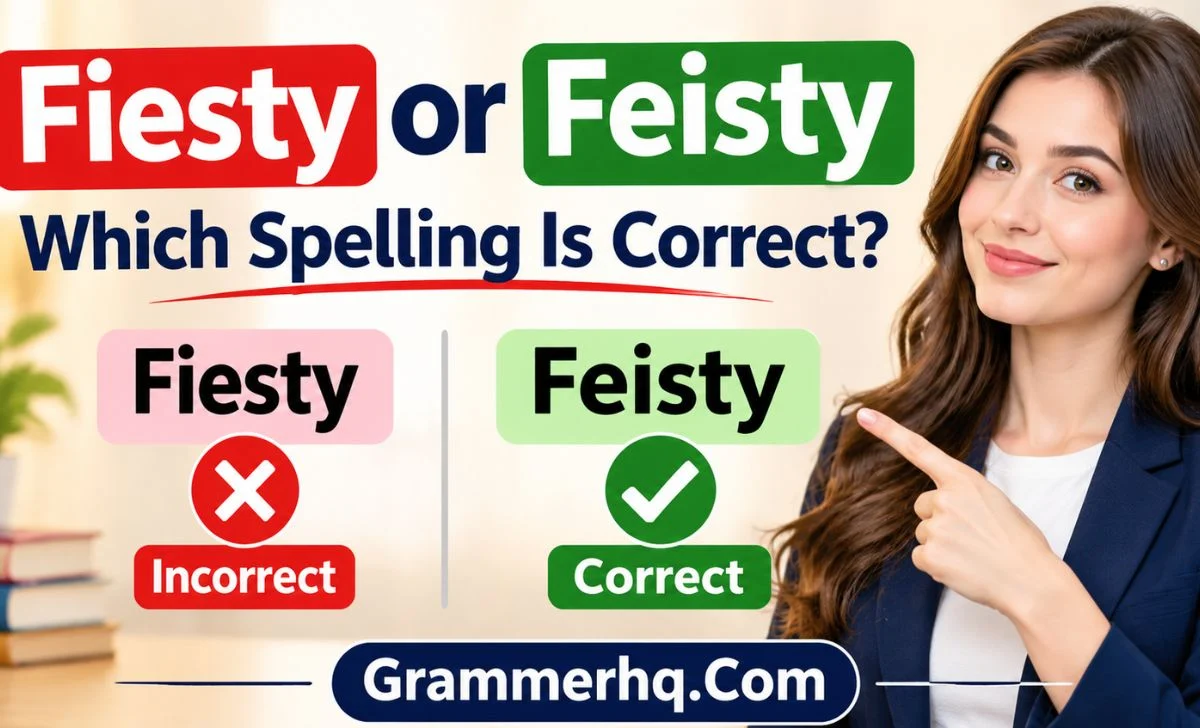
If you are wondering whether “fiesty” or “feisty” is correct, the answer is simple: Feisty is the correct spelling. Fiesty ...
Read more
Winning Trunk or Treat Ideas: Creative & Fun Themes?
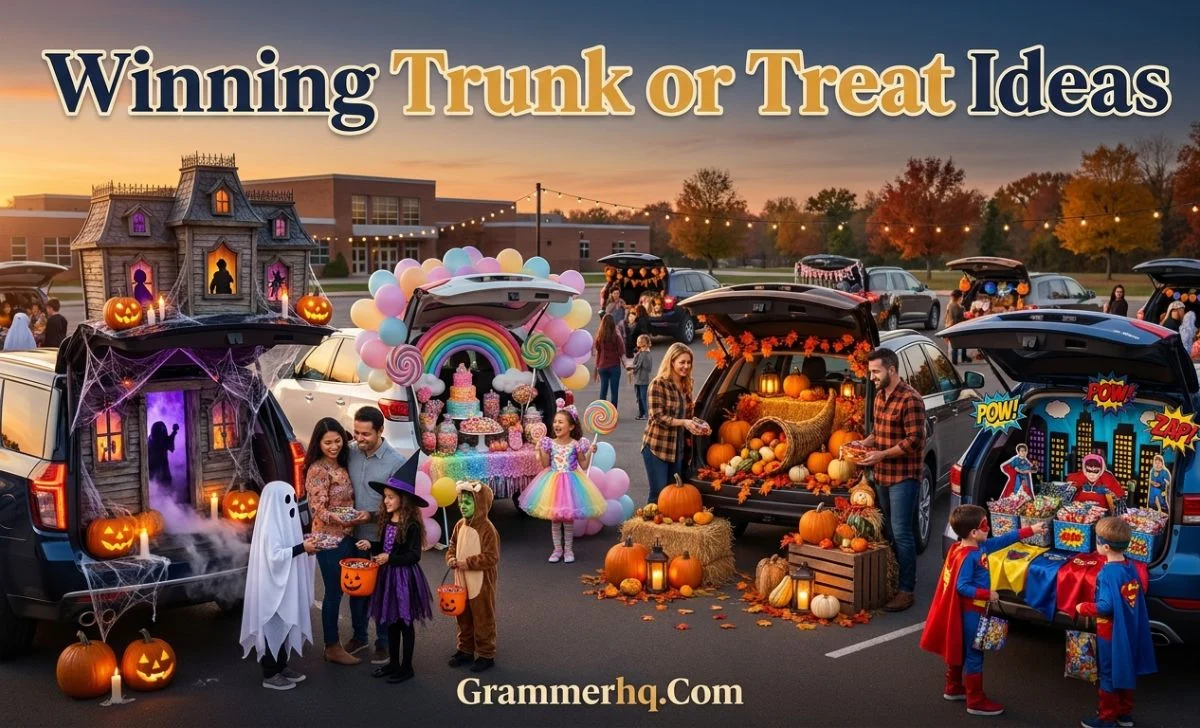
Looking for winning trunk or treat ideas that can impress kids, families, and judges? The secret is not spending a ...
Read more
Weiner or Wiener: Meaning, Difference & Correct Spelling?

If you’re wondering whether “Weiner” or “Wiener” is the correct spelling, the answer depends on what you mean. Wiener is ...
Read more
Nominator vs Nominee: Meaning, Difference & Examples?
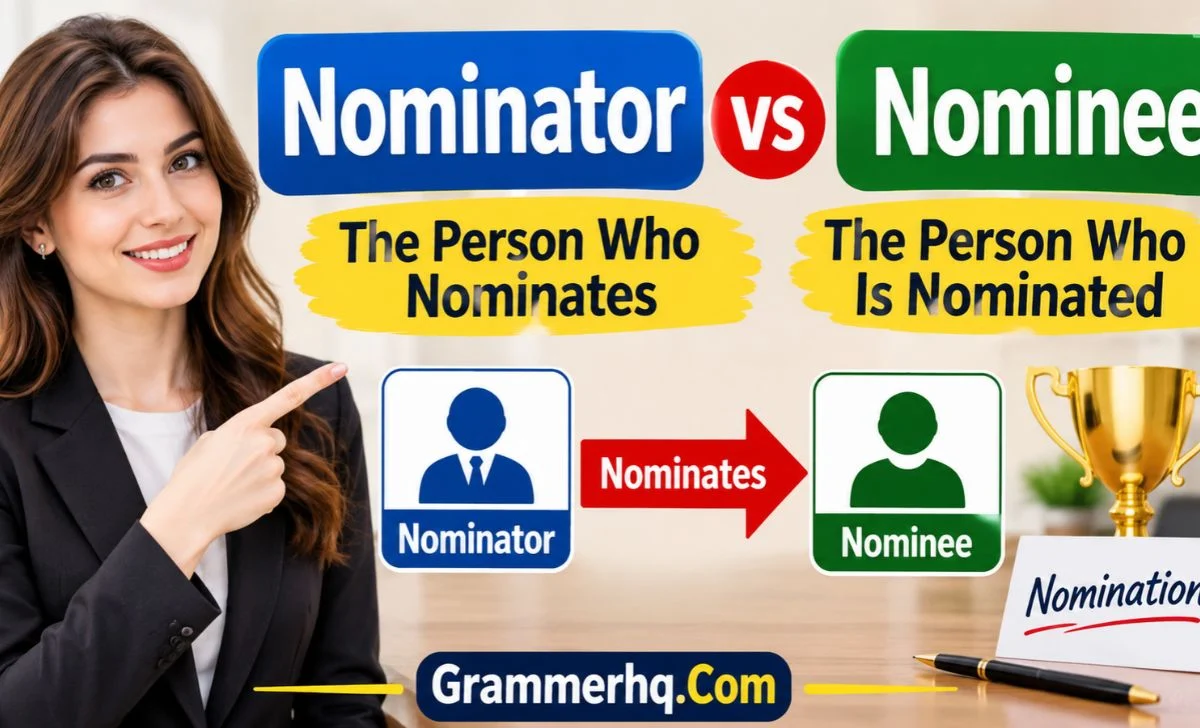
If you are confused about nominator vs. nominee, the difference is simple: the nominator is the person who puts someone ...
Read more
Tacet or Tacit: Meaning, Difference, Pronunciation & Usage?
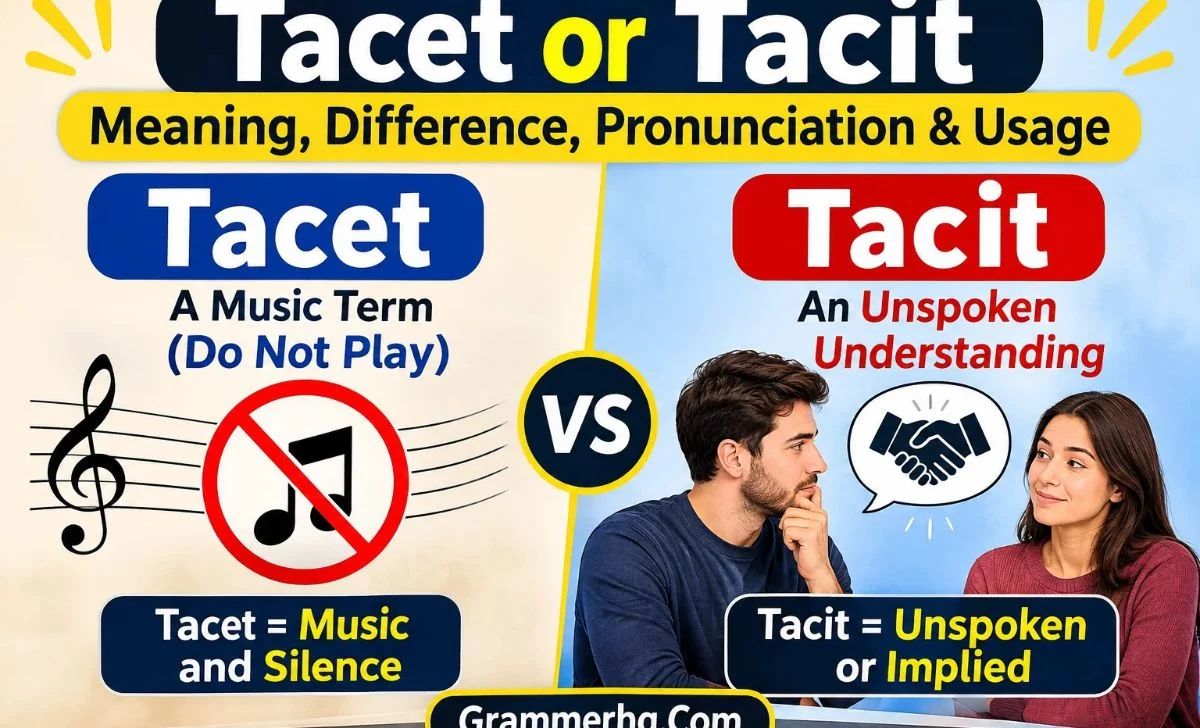
Tacet and tacit look similar, but they do not mean the same thing. Tacet is mainly a music term used ...
Read more
Of Course or Ofcourse: Correct Spelling, Meaning & Usage?

“Of course” is correct. “Ofcourse” is incorrect. The expression is always written as two separate words in standard English. If ...
Read more