Do You? vs. Are You? Meaning, Grammar Rules & Examples?

Do You? vs. Are You?“Do you?” and “Are you?” are both correct English question starters, but they follow different grammatical ...
Read more
Inclusivity vs. Inclusiveness: What’s the Difference?
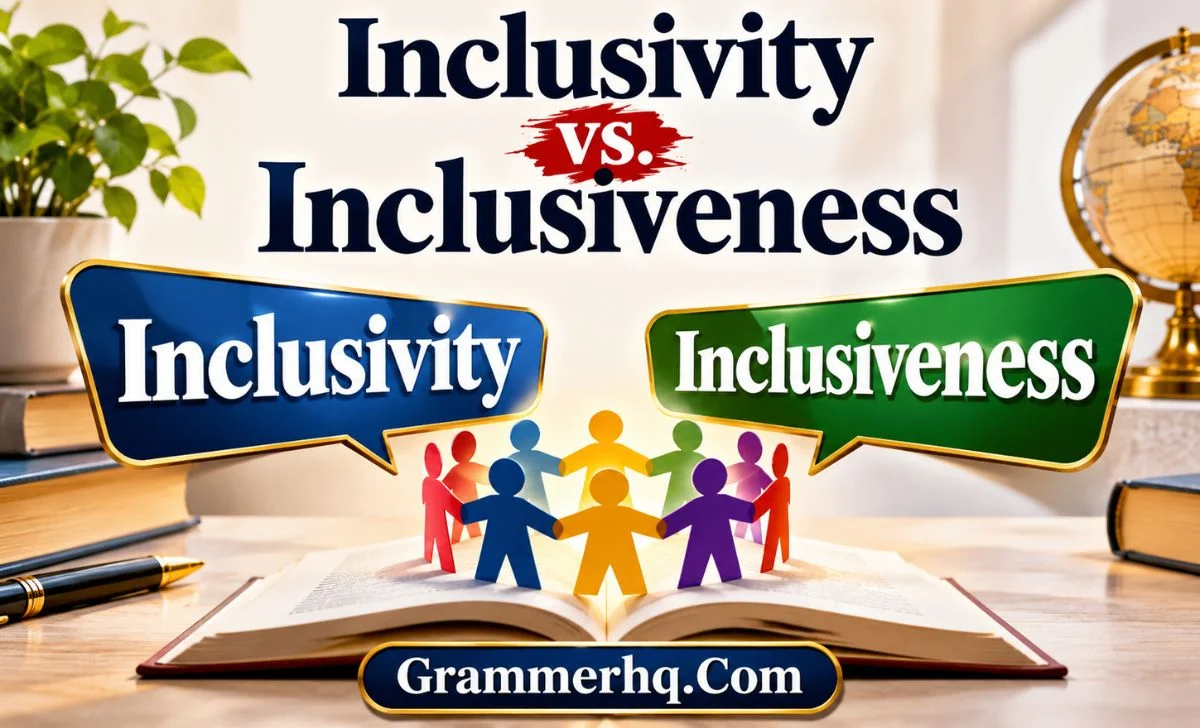
Inclusivity vs. inclusiveness: which word should you use? Both are correct English words, and both describe the idea of including ...
Read more
Pre vs. Post: What’s the Difference?

Pre and post are commonly used as prefixes to show when something happens. Pre- means “before,” while post- means “after.” ...
Read more
Life vs. Live: What’s the Difference?

Life and live look almost identical, but they are different words with different meanings, pronunciations, and grammatical roles. Life is ...
Read more
Inter vs Intra: Meaning, Differences, and Examples?

Inter vs intra is a common source of confusion because these two prefixes look similar but express different relationships. Inter- ...
Read more
Someday or Some Day: Which Is Correct?
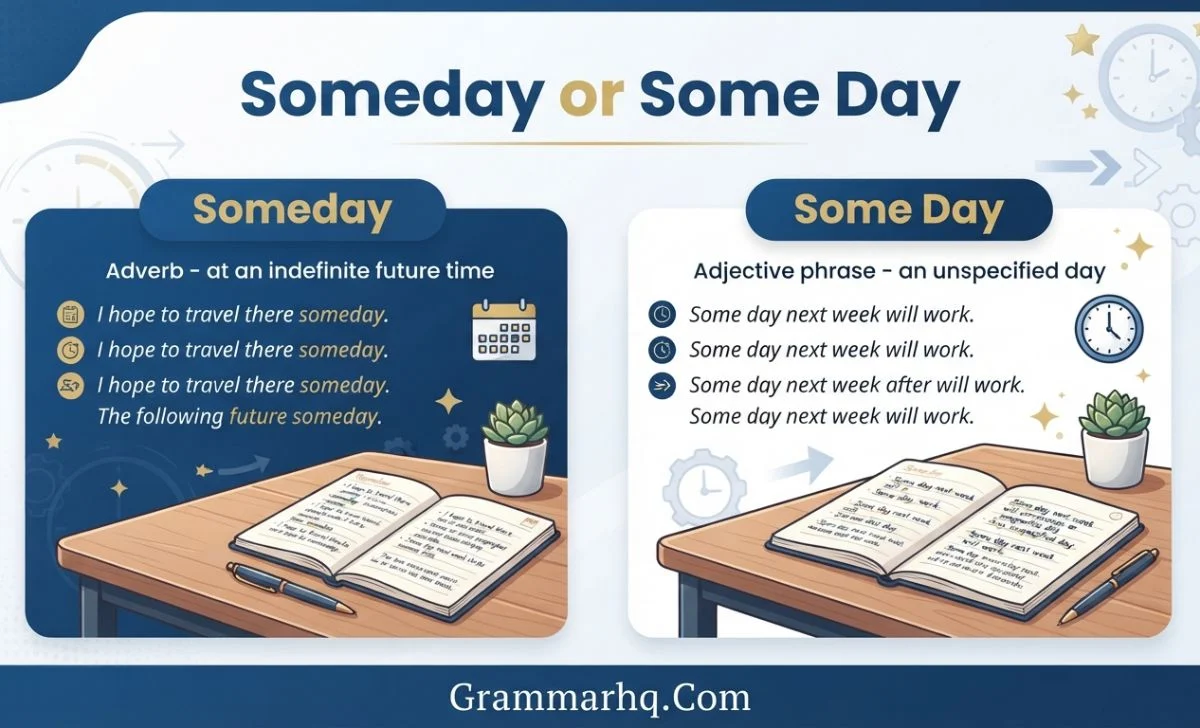
Both someday and some day are correct English forms, but they are not always used in the same way. The ...
Read more
Unenroll vs Disenroll: What’s the Difference?

Unenroll vs disenroll both are correct English words, and both refer to ending or reversing enrollment in a course, program, or ...
Read more
Parents vs Parent’s vs Parents’: What’s the Difference?
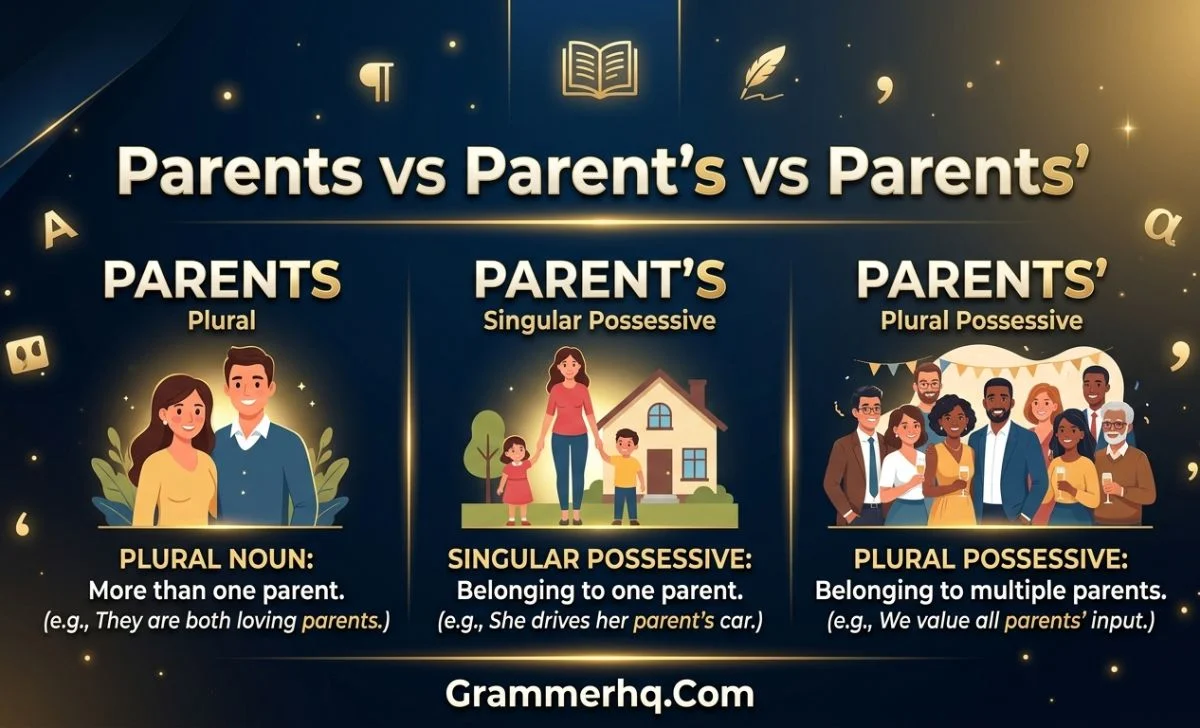
Parents vs parent’s can be confusing because the two forms look similar but have different meanings and grammatical jobs. The ...
Read more
Deselect vs Unselect: Which One Is Actually Correct?
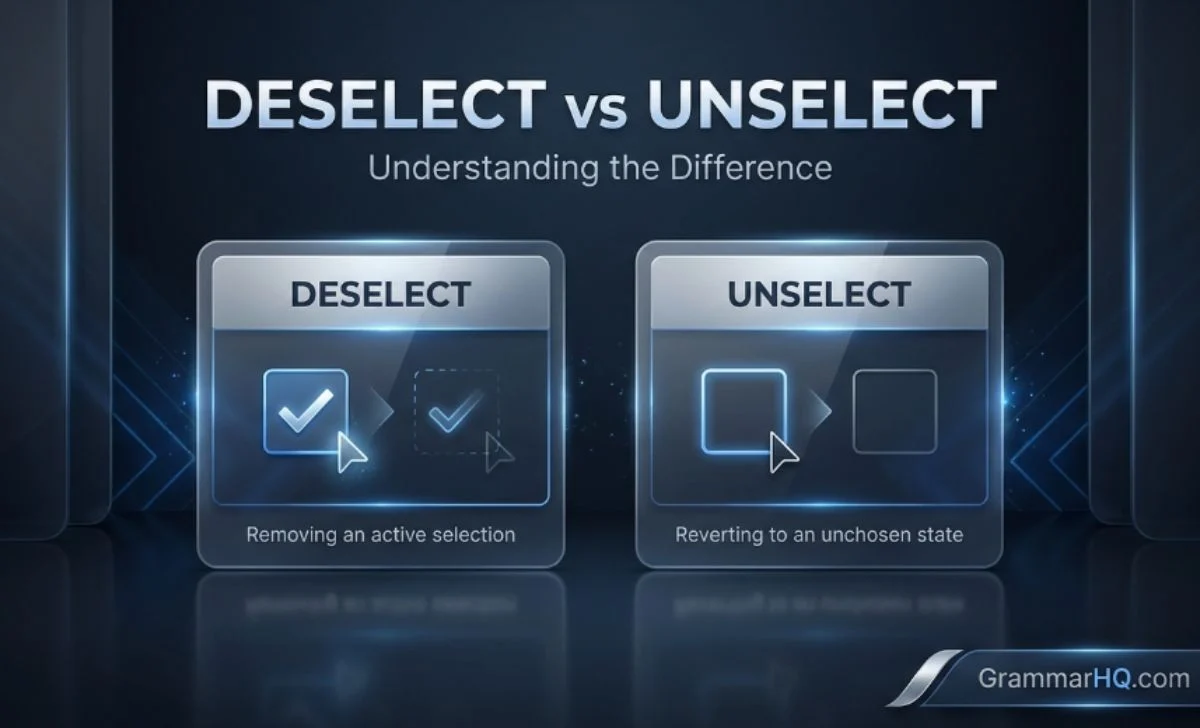
Deselect vs Unselect is a common word-choice question, especially when writing software instructions, website content, or user-interface labels. Both words ...
Read more
And vs Or: What’s the Difference and When Should You Use Each?

Choosing between and and or might seem easy, but these two small words can completely change the meaning of a ...
Read more